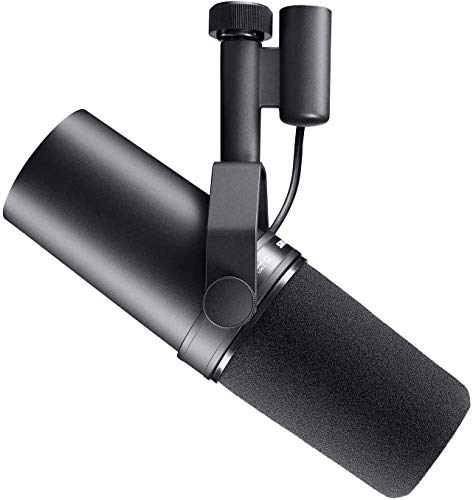
Best Microphones for Streaming and Podcasting

Updated 2026-06-23

How we pick: we research the specs, read real owner reviews, and weigh the honest trade-offs. Real pros and cons, no paid placements, and commissions never change our rankings.

A great voice mic does more than make you louder. It makes you sound closer, warmer, and more in control, even when the room behind you is not perfect. For streaming and podcasting, that usually means a dynamic mic, since dynamics shrug off keyboard clatter, fans, and roommate noise far better than sensitive condensers.

The tricky part is matching the mic to your setup. Some plug straight into USB and just work. Others reward you with studio polish but ask for an audio interface and a healthy amount of clean gain. We picked one standout at each price point so you can buy once and not regret it in six months.

How we picked:

  • Voice first: broadcast warmth and strong off-axis noise rejection for real, untreated rooms.
  • Setup honesty: we weighed how much extra gear (interface, preamp, gain) each mic actually needs.
  • Value at the tier: every pick has to beat the obvious alternatives at or near its price.
Editor's Choice

Shure MV7 USB Podcast Microphone for Podcasting, Recording, Live Streaming & Gaming, Built-in Headphone Output, All Metal USB/XLR Dynamic Mic, Voice-Isolating Technology, TeamSpeak Certified - Black

Best for: Podcasters and streamers who want broadcast-grade voice with USB simplicity and the option to go XLR.

It gives you that classic Shure broadcast voice in a forgiving USB mic with smart software safety nets, so you sound pro without a studio.

Check price · $299.00

Our take

I started on a cheap USB mic, talked myself into a Shure, and the lesson was simple: the mic matters less than the room and your distance to it. The FIFINE is genuinely all most new streamers need. The MV7 is the one I point friends to when they want to sound pro without learning audio engineering. The SM7B is the endgame, but only once you can feed it.

My honest advice: get close to the mic and the cheap one already sounds great. Do not buy the SM7B until you have an interface or preamp that can actually drive it.

How to choose microphones

A good mic is the fastest upgrade to how you sound on a stream or a call. The big fork is how you connect it:

  • USB or XLR: USB plugs straight in and just works, ideal if you want one cable and no extra gear. XLR sounds more professional and scales, but needs an interface or mixer. Some mics do both.
  • Dynamic or condenser: dynamic mics reject room noise and forgive an untreated room, which is why streamers love them. Condensers are more sensitive and detailed but hear every keyboard clack and echo.
  • Pickup pattern: a cardioid pattern hears the front and rejects the sides and back. That is what you want for a single voice.
  • Mounting: budget for a boom arm and a shock mount. A mic on the desk picks up every bump and rumble.
  • Gain needs: some dynamic mics are quiet and want a lot of clean gain, sometimes an inline booster. Check before you buy.

Untreated room with background noise? A dynamic USB mic is the easy win.

At a glance

The full breakdown

Budget Pick8.2 / 10

FIFINE USB/XLR Dynamic Microphone for Podcast Recording, PC Computer Gaming Streaming Mic with RGB Light, Mute Button, Headphones Jack, Desktop Stand, Vocal Mic for Singing YouTube-AmpliGame AM8

Best for: New streamers who want a real dynamic mic, simple USB plug-and-play, and a clean upgrade path to XLR later.

This FIFINE punches way above its price. It is a cardioid dynamic, so it focuses on your voice and ignores most of the keyboard and fan noise that wrecks cheap condensers. Plug the USB cable into your PC and you are recording in seconds, no interface required.

The sound leans slightly V-shaped, with a touch of extra bass and treble and a small mid scoop. For gaming and casual podcasting that is actually flattering, though purists may want a little EQ. Build quality is solid metal, and the onboard mute button plus RGB lighting are nice touches for a live setup.

The real trick is the dual USB and XLR output. Start on USB today, then move to an audio interface and the XLR side later without buying a new mic. For a first serious mic, that flexibility is hard to beat.

What we like

  • + Real dynamic noise rejection at a budget price
  • + USB and XLR in one mic for an easy upgrade path
  • + Plug-and-play on USB with no interface needed
  • + Solid metal build with handy onboard mute
  • + Headphone jack for zero-latency monitoring

Watch outs

  • - Slightly V-shaped sound that some will want to EQ
  • - RGB and gamer styling will not suit every desk
  • - XLR side still needs an interface to shine

Full specs

TypeDynamic
Polar patternCardioid
ConnectionUSB and XLR (both onboard)
Frequency response50Hz to 16kHz
Headphone monitoring jackYes (3.5mm, zero latency)
Onboard controlsTouch mute button, RGB lighting
Included mountDesktop tripod stand
Approximate street priceApproximately 50 USD
Best ValueEditor's Choice8.9 / 10

Shure MV7 USB Podcast Microphone for Podcasting, Recording, Live Streaming & Gaming, Built-in Headphone Output, All Metal USB/XLR Dynamic Mic, Voice-Isolating Technology, TeamSpeak Certified - Black

Best for: Podcasters and streamers who want broadcast-grade voice with USB simplicity and the option to go XLR.

The Shure MV7 is the mic that made broadcast sound approachable. It borrows the look and the warm, midrange-rich voicing of Shure's legendary SM7B, then adds USB so you can skip the interface entirely. The result is rich, close, radio-style audio with strong rejection of room noise.

What sets it apart is the safety net. The companion software offers auto level mode that fixes the gain-staging mistakes most beginners make, plus tone presets and onboard touch controls. The result flatters almost any voice with very little effort.

It is not flawless. The touch panel can feel finicky, and the original MV7 uses an older micro-USB port that some users find less than rock solid. Even so, the dual USB and XLR outputs mean you are never locked in. It is the safest all-rounder here.

What we like

  • + Warm, broadcast-style voice straight out of the box
  • + USB plug-and-play with no interface required
  • + Auto level software rescues beginner gain mistakes
  • + XLR output so you can grow into a full setup
  • + Strong off-axis noise rejection for untreated rooms

Watch outs

  • - Touch panel controls can feel fiddly
  • - Original model uses an older micro-USB port
  • - Pricier than basic USB mics if you skip the features

Full specs

TypeDynamic
Polar patternCardioid
ConnectionUSB and XLR
Frequency response50Hz to 16kHz
Headphone monitoring jackYes (3.5mm)
Onboard controlsTouch panel for gain, monitor mix, and mute
SoftwareShurePlus MOTIV with auto level mode and presets
Approximate street priceApproximately 249 USD
Premium Pick9.2 / 10

Shure SM7B Dynamic Studio Microphone - XLR Mic for Podcasting, Streaming, Vocal Recording & Broadcasting, Wide Frequency Range, Smooth Warm Audio, Detachable Windscreen, Black

Best for: Serious creators with an interface who want the industry-standard broadcast voice and full control over their chain.

The Shure SM7B is the industry standard for a reason. From radio booths to chart-topping vocals, its flat, wide-range response and classic cardioid pattern produce a smooth, natural, and deeply authoritative voice. The internal shock mount and detachable windscreen tame handling noise and plosives, and the shielding shrugs off computer and monitor hum.

The honest catch is gain. The SM7B is a quiet mic that wants roughly +60dB of clean gain, which is more than many entry interfaces deliver. Most owners add an inline preamp such as a Cloudlifter or step up to an interface with strong, quiet preamps.

It is also pure XLR, so there is no USB shortcut and no headphone jack on the mic itself. Give it the right chain, though, and the payoff is a timeless broadcast sound you will not outgrow.

What we like

  • + The benchmark broadcast and studio voice
  • + Excellent noise and hum rejection for real rooms
  • + Built-in shock mount and windscreen included
  • + Bass rolloff and presence tone switches onboard
  • + Built to last with a genuinely timeless sound

Watch outs

  • - Needs roughly +60dB of clean gain, often an inline preamp
  • - XLR only, so it requires an audio interface
  • - No headphone jack on the mic for monitoring
  • - The most expensive and least plug-and-play pick here

Full specs

TypeDynamic
Polar patternCardioid
ConnectionXLR only
Frequency responseFlat, wide-range (50Hz to 20kHz)
Headphone monitoring jackNo (on the mic itself)
Onboard controlsBass rolloff and presence boost switches
Included mountIntegrated yoke mount, A7WS windscreen, switch cover plate
Approximate street priceApproximately 399 USD

Compare these head to head

Frequently asked questions

Do I need an audio interface for a streaming mic?

Not for USB mics. The FIFINE and MV7 plug straight into USB and work. The SM7B is XLR only, so it needs an interface, and usually an inline preamp like a Cloudlifter for enough clean gain.

Dynamic vs condenser mic for streaming?

Dynamic (all three picks) is best for untreated rooms because it rejects keyboard clatter, fans, and echo. Condensers are more sensitive and pick up the whole room, which is usually not what a streamer wants.

Why does the Shure SM7B sound so quiet?

It is a low-output mic that needs around 60dB of clean gain. Many budget interfaces cannot supply that, so people add a Cloudlifter or use an interface with strong, quiet preamps.

Is the Shure MV7 worth it over the FIFINE?

If you want a more broadcast voice plus helpful software (auto-level, presets), yes. If you just need to sound clear and save money, the FIFINE gets you most of the way for a fraction of the price.

USB or XLR microphone, which should I pick?

USB for simplicity (plug in and talk). XLR for the best quality and room to grow with a mixer or interface. The FIFINE and MV7 do both. The SM7B is XLR only.

More buying guides

We may earn a commission from qualifying purchases made through links on this page, at no extra cost to you. We only recommend products we would tell a friend to buy, and commissions never change our picks.