FIFINE AmpliGame AM8 vs Shure SM7B
Two of our picks from Best Microphones for Streaming and Podcasting, compared side by side on the specs and trade-offs that actually matter.
Short answer
Between the Shure SM7B and the FIFINE AmpliGame AM8, we recommend the Shure SM7B ($439 when we checked it on 2026-09-21) as the better microphone for most people. Anyone who already owns an interface with strong preamps and wants the broadcast standard. The FIFINE AmpliGame AM8 ($56.99 when we checked it on 2026-09-21) still makes sense if a first real microphone that will still be useful after you buy an audio interface.

FIFINE USB/XLR Dynamic Microphone for Podcast Recording, PC Computer Gaming Streaming Mic with RGB Light, Mute Button, Headphones Jack, Desktop Stand, Vocal Mic for Singing YouTube-AmpliGame AM8
$56.99observed
Lowest we have recorded: $44.99 on (15 weekly checks)
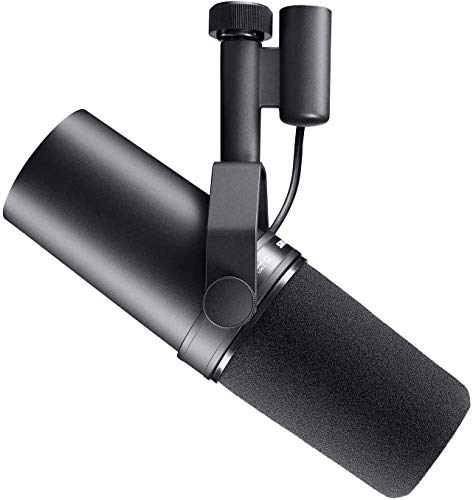
Shure SM7B Dynamic Studio Microphone - XLR Mic for Podcasting, Streaming, Vocal Recording & Broadcasting, Wide Frequency Range, Smooth Warm Audio, Detachable Windscreen, Black
$439.00observed
Lowest we have recorded: $373.00 on (15 weekly checks)
Specs head to head
| Spec | FIFINE AmpliGame AM8 | Shure SM7B |
|---|---|---|
| Type | Dynamic | Dynamic |
| Polar pattern | Cardioid | Cardioid |
| Connection | USB-C and XLR (both onboard) | XLR only |
| Frequency response | 50 Hz - 16 kHz | 50 Hz - 20 kHz |
| Headphone monitoring | Yes (3.5mm, zero latency) | No (use the interface) |
| Onboard controls | Touch mute, gain, RGB lighting | Bass rolloff and presence boost switches |
Our take on each
FIFINE AmpliGame AM8
Best for: A first real microphone that will still be useful after you buy an audio interface.
The AM8 is the cheapest mic in this guide that you can keep. Both outputs are live on the same body: USB-C into a computer today, XLR into an interface later, without buying a second microphone. At this price that combination is unusual, and it is the reason this pick exists.
Being a cardioid dynamic, it does the thing that actually matters in a bedroom or a shared flat: it hears the front of the capsule and drops most of what is behind it, so a mechanical keyboard eighteen inches away sits well below your voice instead of on top of it. The body is metal, there is a touch mute pad on top, and a 3.5mm headphone jack gives you zero-latency monitoring so you can hear plosives as you make them.
The tuning is mildly scooped, with lifted bass and treble and a slight dip through the mids, which flatters a gaming voice and needs a little corrective EQ for spoken-word work. The supplied desk tripod is the weak part: it sits low, aims the capsule at your chin, and transmits desk bumps, so plan on a boom arm. The RGB ring is not switchable independently of power on all firmware revisions, which is worth knowing if you record at night.
Shure SM7B
Best for: Anyone who already owns an interface with strong preamps and wants the broadcast standard.
The SM7B has been the default voice microphone in radio booths and podcast studios for decades, and the reasons are physical. The capsule sits inside an internal shock mount, so desk knocks and boom-arm handling do not reach it. The yoke and the supplied windscreen let you get close without plosives. The body is shielded against the hum that computer monitors and power supplies inject into lesser microphones. Two switches on the back set bass rolloff and presence boost, which covers most of the EQ a voice needs.
The result is a smooth, wide, authoritative voice that does not need rescuing in post, and an off-axis response even enough that turning your head does not change your tone the way it does on cheaper dynamics.
The catch is output. This is a very quiet microphone that wants roughly 60 dB of clean gain, which is more than many entry interfaces deliver without their preamps hissing. Most owners add an inline preamp such as a Cloudlifter or buy an interface with high-gain, low-noise preamps, and that cost is part of the purchase rather than optional. It is also XLR only, with no headphone jack on the body, so monitoring comes from the interface. It is heavy enough that a lightweight boom arm will droop under it.
More from this guide
We may earn a commission from qualifying purchases made through links on this page, at no extra cost to you. Commissions never change our picks.