Shure MV7+ vs Shure SM7B
Two of our picks from Best Microphones for Streaming and Podcasting, compared side by side on the specs and trade-offs that actually matter.
Short answer
Between the Shure SM7B and the Shure MV7+, we recommend the Shure SM7B ($439 when we checked it on 2026-09-21) as the better microphone for most people. Anyone who already owns an interface with strong preamps and wants the broadcast standard. The Shure MV7+ ($299 when we checked it on 2026-09-21) still makes sense if podcasters and streamers who want broadcast voice without learning gain staging first.

Shure MV7+ Dynamic Microphone – USB-C & XLR Podcast Mic for Streaming, Recording & Broadcasting, OBS Certified, Auto Level Mode, Digital Pop Filter, LED Panel, Black
$299.00observed
Lowest we have recorded: $299.00 on (11 weekly checks)
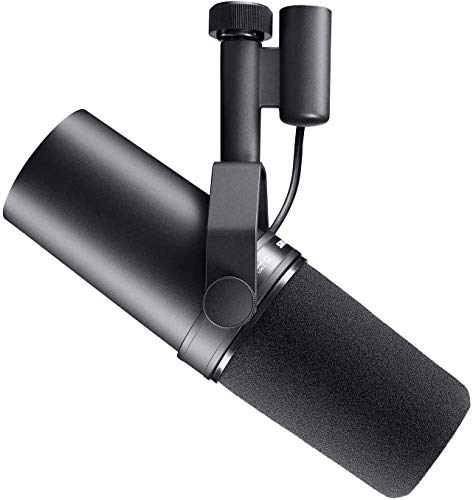
Shure SM7B Dynamic Studio Microphone - XLR Mic for Podcasting, Streaming, Vocal Recording & Broadcasting, Wide Frequency Range, Smooth Warm Audio, Detachable Windscreen, Black
$439.00observed
Lowest we have recorded: $373.00 on (15 weekly checks)
Specs head to head
| Spec | Shure MV7+ | Shure SM7B |
|---|---|---|
| Type | Dynamic | Dynamic |
| Polar pattern | Cardioid | Cardioid |
| Connection | USB-C and XLR | XLR only |
| Frequency response | 50 Hz - 16 kHz | 50 Hz - 20 kHz |
| Headphone monitoring | Yes (3.5mm) | No (use the interface) |
| Onboard controls | Touch panel: gain, monitor mix, mute | Bass rolloff and presence boost switches |
Our take on each
Shure MV7+
Best for: Podcasters and streamers who want broadcast voice without learning gain staging first.
The MV7+ is the mic that makes the Shure sound reachable without an engineer. It borrows the SM7B's close, midrange-forward voicing and adds a USB-C connection, so you can run it straight into a computer today and into an interface over XLR whenever you want to.
The DSP is the real product. Shure's desktop software adds auto level with SmartGate, a real-time denoiser and a digital popper stopper, which between them fix the three things that make amateur podcast audio sound amateur: drifting levels, room hiss and plosives. None of it requires you to understand what a compressor does. The onboard touch panel handles gain, monitor mix and mute.
There are honest limits. The DSP only works over USB, so the XLR side is the raw capsule and you supply the processing yourself, and reviewers consistently find the USB path thinner and more congested than the XLR path. Owners also report the mic misbehaving through USB-C to USB-A adapters and hubs, so it wants a direct USB-C port, and that the USB-C socket itself feels loose. The touch panel is easy to trigger accidentally when you adjust the boom arm.
Shure SM7B
Best for: Anyone who already owns an interface with strong preamps and wants the broadcast standard.
The SM7B has been the default voice microphone in radio booths and podcast studios for decades, and the reasons are physical. The capsule sits inside an internal shock mount, so desk knocks and boom-arm handling do not reach it. The yoke and the supplied windscreen let you get close without plosives. The body is shielded against the hum that computer monitors and power supplies inject into lesser microphones. Two switches on the back set bass rolloff and presence boost, which covers most of the EQ a voice needs.
The result is a smooth, wide, authoritative voice that does not need rescuing in post, and an off-axis response even enough that turning your head does not change your tone the way it does on cheaper dynamics.
The catch is output. This is a very quiet microphone that wants roughly 60 dB of clean gain, which is more than many entry interfaces deliver without their preamps hissing. Most owners add an inline preamp such as a Cloudlifter or buy an interface with high-gain, low-noise preamps, and that cost is part of the purchase rather than optional. It is also XLR only, with no headphone jack on the body, so monitoring comes from the interface. It is heavy enough that a lightweight boom arm will droop under it.
More from this guide
We may earn a commission from qualifying purchases made through links on this page, at no extra cost to you. Commissions never change our picks.